From 14 to 16 May, the Night of Artworks Festival (Műtárgyak Éjszakája Fesztivál) will be held at 70 venues in Budapest with more than 120 programmes – the city’s spring arts and culture calendar would now be unthinkable without it.
The programme is extremely diverse, so anyone interested in the widest range of artwork categories, fine and applied arts, or any field of architecture can find events that will enrich them with new experiences and new knowledge.
The events include exhibition visits and expert talks as well as studio and workshop visits, themed walks, workshops, discussions and film screenings.
The main theme of this year’s festival is the healing power of art. A special focus is placed on how appreciating art supports personal recharging, emotional processing and creative thinking.
The special evening art therapy workshop Night Lights, Inner Worlds (Éjszakai fények, belső világok), for example, uses images, colours and shapes to let participants experience the healing power of creative work.
A related round-table discussion invites participants to think together and seeks to answer the question of what happens inside us when we take in art and during the creative process. At many of the workshops in the programme series, participants can try out the therapeutic effects of creating art.
This year’s festival campaign started from a frequently observed realisation: although we spend more and more time on activities that provide instant stimulation – such as scrolling or binge-watching series – they often do not leave us feeling truly recharged.
During the campaign, we also carried out our own observation of the mental effects of different leisure activities. In a test, we tracked the brainwaves of six volunteers looking to recharge with an EEG headband while they did sport, read, stroked animals, painted, played games, listened to music, shopped online, practised self-care, watched films and scrolled, and we created the Mental Health Score, which shows how favourable an activity’s mental effect is.
According to the results of the measurements, art and creative activity provide one of the strongest recharging and restorative experiences for the brain: compared with the other activities tested, they ranked among the top in the indicators of calm, inner balance and a favourable mental state.
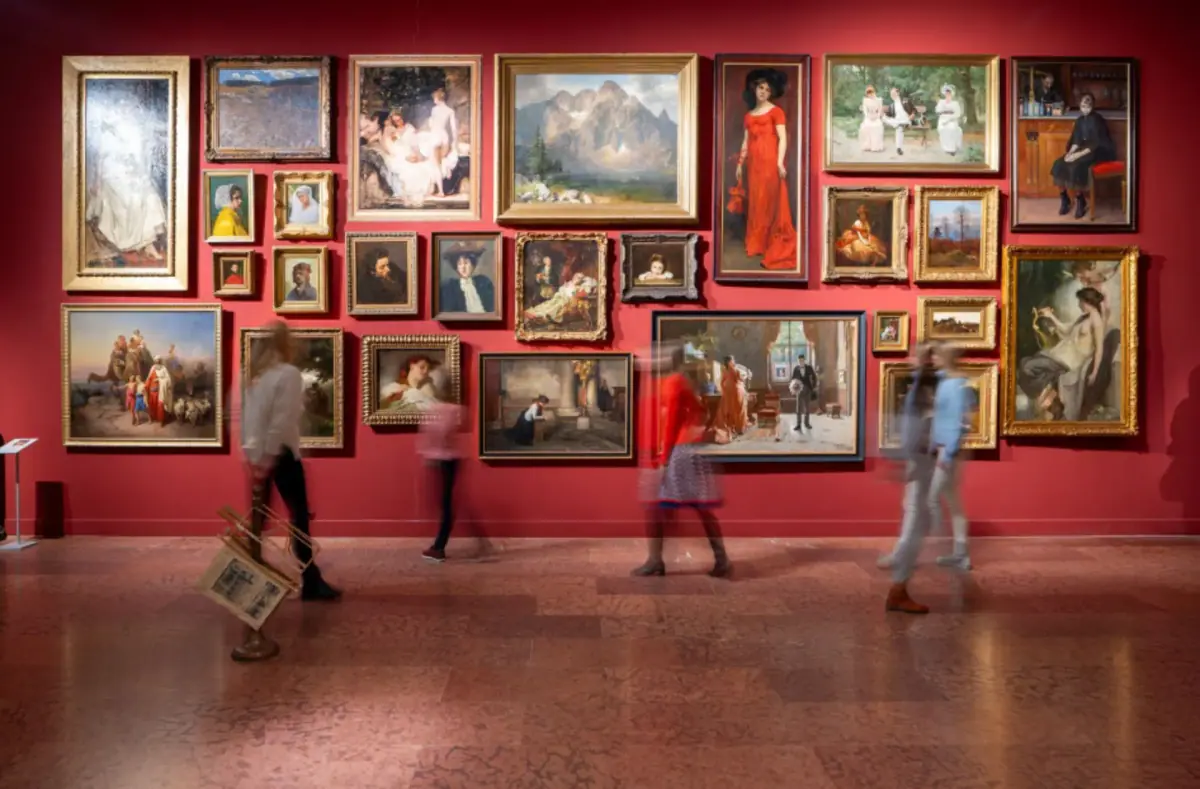
As part of the festival, visitors can see major exhibitions guided by expert professionals, such as the Hungarian National Gallery’s recently opened Dolce Vita exhibition, the Ludwig Museum’s latest exhibition Black Mirror, or the Museum of Fine Arts’ large-scale show marking the 120th anniversary of Victor Vasarely’s birth. After the guided tour, visitors to the Szőnyi István exhibition at the Pesti Vigadó can even admire the sunset from the building’s roof terrace.
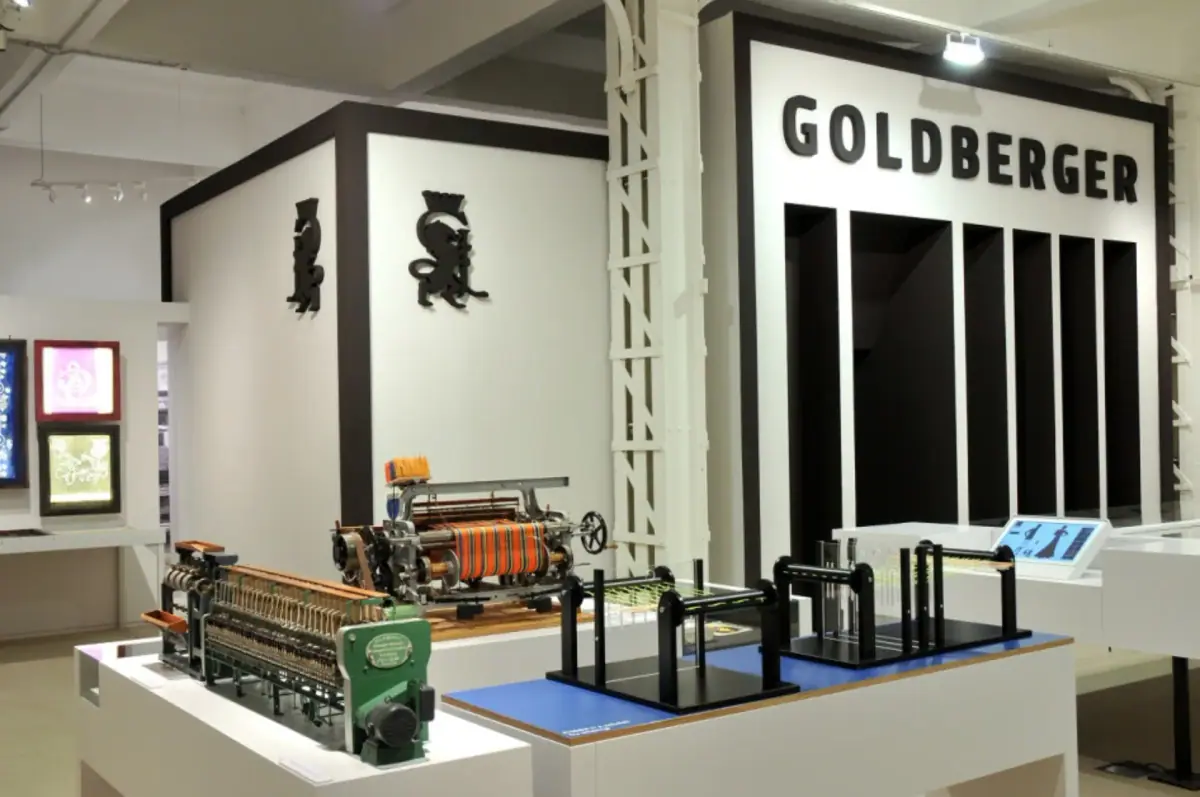
Many will be interested in the latest exhibition at the Light Art Museum, or in the guided tours and presentations of artworks at the Róth Miksa Memorial House and Collection and the Goldberger Textile Industry Collection.
Visitors will also discover the secrets of buildings such as the Tomb of Gül Baba, the capital’s oldest functioning synagogue, or the former Royal Palace that houses the Hungarian National Gallery – which regular visitors probably think they already know inside out.
Among contemporary artists, this year the studios of Nyári István and Nagy Boglárka, among others, and of the artists working at HAB, Artus Stúdió and Budapest Art Factory will open their doors, and we can also visit the studio house of Fajó János, who died a few years ago.
Beginners as well as more experienced art collectors may find useful the programmes where experts estimate the value of the artworks shown to them, or where you can learn about the methods and tools used to expose forgeries. Adventurous art lovers can investigate with the help of postcards and also take part in an interactive treasure hunt.
This year, too, the programme includes events of interest to the whole family and to younger age groups. Children can watch a puppet show connected with Szinyei-Merse Pál, and at the workshops they can conjure up colour monsters and fantasy creatures with creative tools.
Source: Turizmus Online